
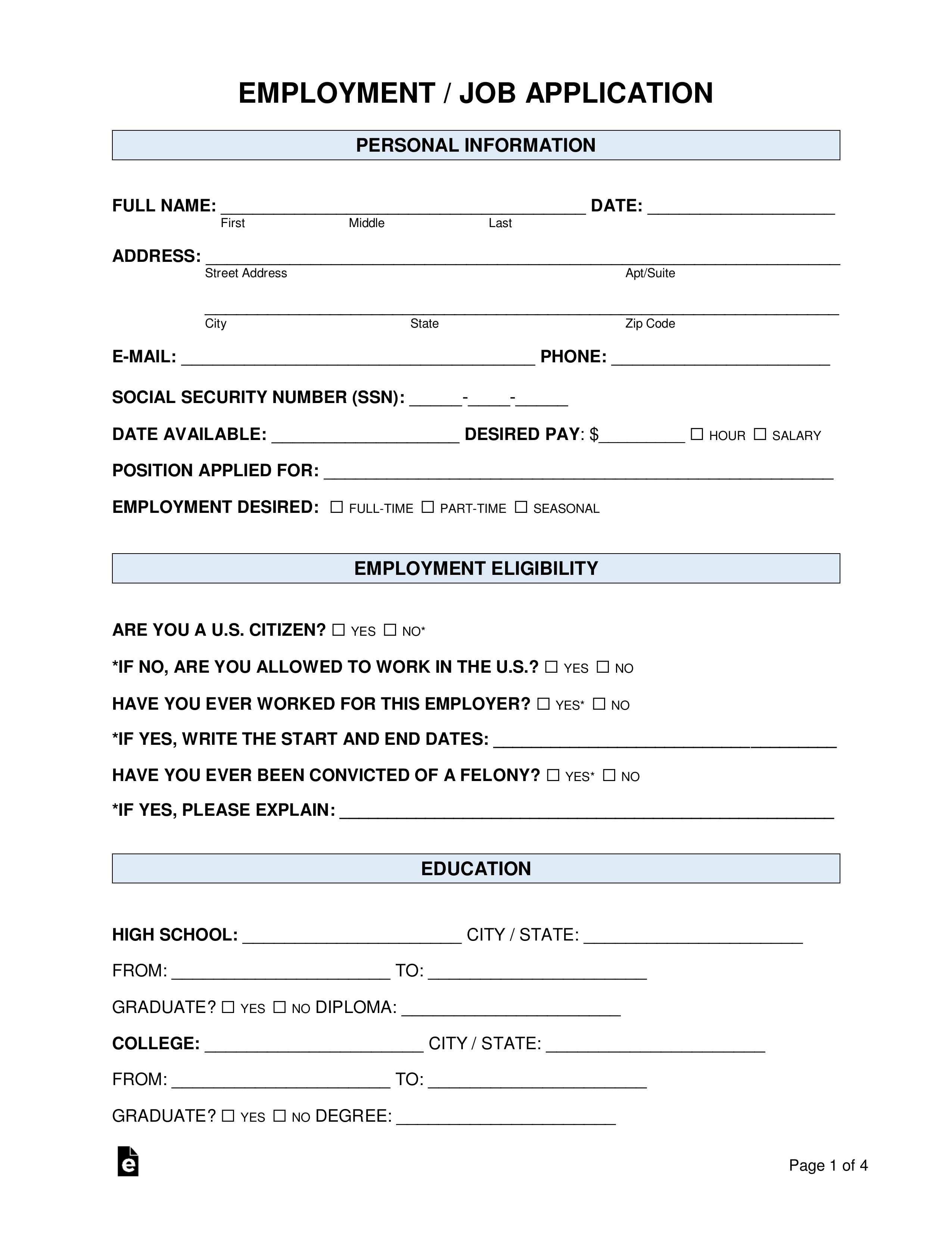
The terms ‘observe to quit’ and ‘expulsion notification’ are often used mutually, however they can have somewhat different meanings depending upon the territory. Right here’s a general explanation of the difference between both:
- Notice to Quit: A notice to stop is commonly the first notification given by a landlord to a tenant to educate them that their tenancy is being ended and they are called for to leave the facilities. It serves as a formal notification that the landlord wants the tenant to leave the property. The notice to give up specifies the factor for discontinuation, such as non-payment of lease, offense of lease terms, or completion of a lease duration.
- Expulsion Notice: An expulsion notification, additionally called a summons or notification of eviction, is a legal file served by a proprietor to officially initiate the expulsion procedure after the notice to quit has actually been provided. It is a lawful action taken by the landlord to regain possession of the residential property and eliminate the lessee if they have not abided by the notification to quit or fell short to correct the infraction within the defined timeframe.
Read here Discover more about florida tenant eviction notice At our site
In some jurisdictions, the term ‘expulsion notice’ may be utilized to refer to both the notice to give up and the succeeding official lawful notification to launch eviction proceedings. Nevertheless, in general, the notice to stop is the first notice showing the discontinuation of the tenancy, while the eviction notification is the lawful document starting the legal process for expulsion.
It is very important to note that the details terminology and demands for notifications and expulsion procedures can vary relying on neighborhood regulations and guidelines. It is advisable to get in touch with local legislations or look for legal advice to recognize the particular requirements and terminology applicable to your jurisdiction.
It’s a fact of life in the rental residential property business that sometimes, despite a proprietor’s best efforts, a renter will need to be evicted. In the present pandemic times, evictions are outlawed till at least spring 2021, leading to considerable back rent and non-payments for mom-and-pop property managers. In New York City alone, records are that there is $1 billion in exceptional rental fee since very early 2021.
The battle is actual, and landlords are confronted with tough decisions concerning their occupants, a financial and employment recession, and their hard-earned possessions that could be undersea.
At least real estate investors need to be familiar with their options, and have a theme for what to do when the time comes to make that hard decision. Every state has various expulsion laws and proprietors have to always be particular they have a lawful reason to evict an occupant.
In this write-up we’ll cover the general rules and timelines for evicting a tenant, review an expulsion notice design template, and checklist a few of the very best online state government resources for expulsions.
What is an expulsion notification?
An expulsion notice is a written letter that begins the expulsion process. Generally the expulsion notification is delivered face to face and by licensed mail, although the precise treatments vary from one state to another.
There are three general parts to an expulsion notice design template:
- Summary of the problem the tenant should treat or deal with (such as unpaid rent or nuisance habits)
- Day occupant must leave or vacate the properties if the trouble is not fixed
- Additional notification that the property manager and lessee might go to court to continue the eviction process
Usual factors for sending an eviction notice
The best lessee always pays the rent in a timely manner, never ever complains, and takes care of the residential property as if it were their very own.
Landlords who screen their prospective occupants very carefully can generally prevent issue tenants. Nevertheless, every now and then, things don’t constantly exercise as anticipated.
Here are several of the common reasons for sending an eviction notification:
- Failure to pay the rent on schedule and completely
- Repeatedly paying the rent late
- Breaking one or more terms of the lease
- Damages to the residential property (leaving out typical damage)
- Interrupting various other lessees or next-door neighbors
- Making use of the building for illegal purposes, running a company, or damaging zoning legislations
- Holdover renter that declines to leave as soon as the lease has actually ended
Understanding the expulsion process
It aids to consider the expulsion procedure as a decision tree. Depending upon what the tenant does or does not do at each branch establishes the following step a proprietor have to take.
There are 10 general actions to the eviction procedure, from the time the lease is authorized to when the renter or property owner wins in court:
- Created lease arrangement is signed
- Trouble occurs that can lead to an expulsion
- Property manager and occupant attempt to agreeably resolve the problem
- Eviction notice is sent (if problem can’t be addressed)
- Issue is filed in court and a court date is set
- Sometimes the tenant will fail to show up, bring about a default judgment in favor of the landlord
- Both events to go court to describe their side of the tale to the court
- Court evaluates composed documents and testament and rules on the situation
- Tenant success and remains, and the proprietor may need to pay all court expenses and lawful fees
- Landlord success and occupant leaves, with the judge releasing a court order for a Warrant of Expulsion or a Writ of Restitution
State federal government resources for expulsions
Landlords are accountable for recognizing both federal and state regulation, consisting of renter’s rights, when running rental residential or commercial property.
Also in landlord-friendly states such as Louisiana and West Virginia, rental building investors require to learn about every little thing from leasing and addendums, lease boosts and renewals, and expulsion notifications.
Here’s a list of several of the most effective on the internet sources for landlord-tenant regulation and state federal government resources for expulsions.
American Apartments Owners Association (AAOA)
Before starting the expulsion procedure it’s essential that proprietors comprehend what they can and can not do. Making one small mistake, relying on the state, might result in dual or three-way damages. The AAOA releases an interactive map and listing of landlord-tenant legislations and the eviction process for all 50 states.
FindLaw
Published by Thomson Reuters, FindLaw.com offers links to the landlord-tenant laws for all 50 states and Washington D.C. in addition to lots of posts on expulsions, landlord-tenant legislation, and far more.
Fit Small Business
This extensive online source offers an interactive map to search for landlord-tenant law by state, explains just how states establish their landlord-tenant legislations, describes basic property owner and renter obligations, and consists of a state listing for specific landlord-tenant laws and a link per state’s web page.
Nolo
Nolo began releasing diy legal guides back in 1971 and over the past 50 years has actually developed right into one of the leading lawful web sites on the internet. The company supplies info on just how to kick out a tenant, eviction notification design templates and form, and everything else a property could require for landlord/tenant requirements.
Plan Monitoring Program
The Temple University Beasley School of Legislation publishes this interactive site to research study state, government, and common law – consisting of the Attire Residential Landlord and Occupant Act of 1972 (URLTA).
United State Department of Real Estate and Urban Advancement (HUD)
HUD gives a current listing of occupant’s legal rights, regulations and protections with web links for all 50 states and Puerto Rico/U. S. Virgin Islands. From here, you can access state-specific web sites for state landlord/tenant regulation, chief law officer workplace, plus Federal Fair Housing laws and the Americans with Disabilities Act.
Verdict
Each state has its own collection of policies that govern landlord-tenant regulations and the tenant expulsion process. The majority of states base their statuaries on the URLTA (Attire Residential Property Manager and Renter Act) that control points such as the amount of a down payment and just how it is dealt with, fees for late settlement of lease, and the steps to adhere to when conducting an expulsion.